


Wearing contact lenses has become a comfortable, nearly invisible option for correcting vision. However, the convenience of contacts comes with important safety guidelines, especially when it comes to water exposure. If you are tempted to keep your contacts in for a swim or while showering, it is essential to know the real risks to your eye health and why your optometrist will always advise caution.
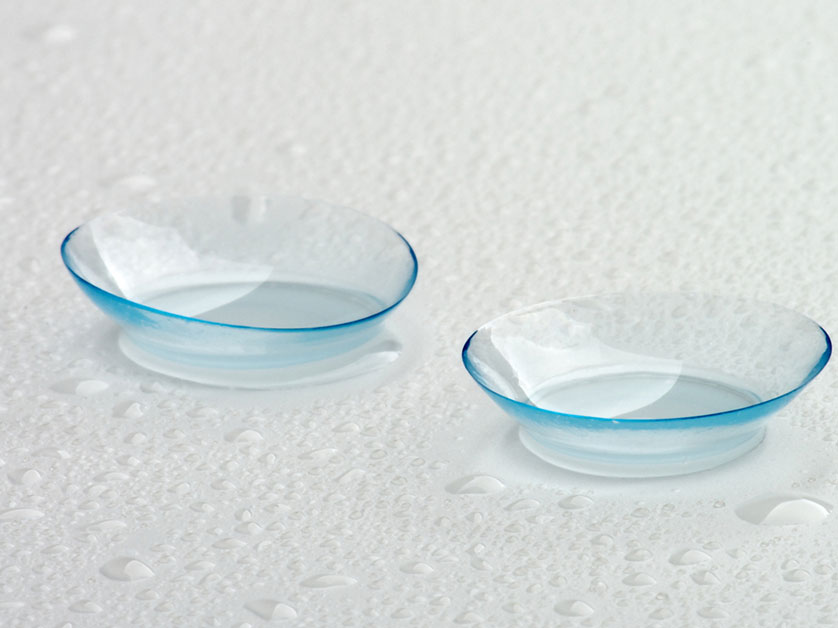
Contact Lenses and Water: Why They Don’t Mix
Contact lenses, particularly soft lenses, are designed to be porous, allowing oxygen to reach your cornea. However, this same feature enables contaminants found in water to become trapped between the lens and your eye. Tap water, pool water, lakes, and even the shower all contain microorganisms like bacteria and amoebae, as well as potential chemical irritants, any of which can adhere to your contact lenses and increase your risk of infection or injury.
Risks of Wearing Contacts in Water
If you wear your contacts in water, you risk several short-term and long-term complications:
- Exposure to acanthamoeba keratitis, a rare but serious eye infection caused by an amoeba found in water, which can lead to permanent vision loss and may even require a corneal transplant.
- Soft lenses can absorb water and tighten against your eye, resulting in severe irritation, redness, or dry eyes.
- Pool chemicals and saltwater can exacerbate irritation and may become trapped under the lens, making the discomfort worse.
- Bacteria or viruses from natural or treated water sources can adhere to your lenses, dramatically increasing your risk of an eye infection or corneal ulcer.
- Tiny waterborne particles can become trapped underneath the lens, scratching the surface of your eye and leading to corneal abrasions.
- Your lenses may dislodge or get lost, especially during vigorous activities.
What to Do If You Accidentally Wear Contacts in Water
If you accidentally wear your contacts in the water, follow these steps immediately:
- Remove your contact lenses as soon as possible.
- Clean and disinfect them with an approved solution, or if using daily contact lenses, dispose of them and insert a fresh pair.
- Use lubricating drops if your eyes feel irritated, but avoid reusing lenses that have been exposed to water.
- Watch for signs of infection: pain, light sensitivity, persistent redness, blurred vision, or excessive tearing. If any of these symptoms develop, schedule an eye exam right away.
Alternatives for Clear Vision Near Water
If you need clear vision for swimming, boating, or relaxing, consider these safer alternatives:
- Wear prescription eyeglasses, they offer reliable vision without risk of contamination.
- Use well-fitted, waterproof swim goggles over your contacts if you must wear them, but remove and disinfect the lenses immediately after getting out of the water.
- Ask your optometrist about prescription swim goggles or specialized sports eyewear designed for water activities.
Expert Eye Care in Rockville, MD
Your vision is precious, and protecting it requires informed choices. If you have concerns about contact lens care, symptoms of irritation after water exposure, or wish to discuss safer options for year-round activities, Eyes On Norbeck is here to help. To ensure your vision stays clear and healthy, schedule your next eye exam with an experienced optometrist, or explore our comprehensive selection of eyeglasses, all from the convenience of Rockville, MD. Give us a call at (301) 238-7199 or fill out our contact form to get started.