

If you have ever wondered whether poor vision is passed down through families, you are not alone. At Eyes On Norbeck, patients commonly ask if their eyesight issues are connected to their parents’ or grandparents’ vision. Genetics indeed plays a significant part in how our eyes develop, but heredity is only part of the equation. Understanding how genetic and environmental factors interact can help you make informed decisions about eye care for yourself and your family.
How Genetics Influence Eye Health
Scientific research has established that several eye conditions are hereditary to some extent. If one or both of your parents have a specific vision problem, your likelihood of developing that condition increases. For example:
- Myopia (nearsightedness) and hyperopia (farsightedness) often follow family patterns.
- Astigmatism, which affects how the eye focuses light, is commonly inherited.
- Eye diseases like glaucoma, cataracts, and age-related macular degeneration (AMD) also have well-documented genetic links.
However, heredity does not guarantee you will inherit a vision problem. Most of these conditions are considered multifactorial, meaning that while your genes set the stage, your lifestyle and environment play an essential supporting role.
Common Hereditary Eye Conditions
When considering if poor vision is hereditary, it is helpful to know which conditions have the strongest genetic connection:
- Nearsightedness (Myopia): Studies suggest that if neither parent is nearsighted, a child has a low risk, about 2.5%, of developing the condition. This risk rises to about 20% if one parent is affected, and climbs to one in three when both parents are nearsighted.
- Farsightedness (Hyperopia) and Astigmatism: Both conditions are partly caused by genetic factors. In twin studies, about half of all astigmatism cases can be traced to hereditary influences.
- Glaucoma: If you have a direct relative with glaucoma, especially primary open-angle glaucoma, your risk can be four to nine times higher than a person without this family history.
- Color Blindness: Most color blindness is inherited through the X chromosome, making it far more common in men. If your family contains individuals with color vision deficiencies, the risk is significant for male children.
Environmental and Lifestyle Factors Matter
Despite a strong genetic influence, daily habits and environmental factors still shape eye health. For instance:
- Increased screen time, particularly during colder, indoor months, can contribute to computer vision syndrome or digital eye strain.
- Smoking, poor diet, and lack of outdoor activity can all worsen hereditary risks or bring on new issues.
- Protecting your eyes from excessive UV exposure is essential, even in variable weather.
Annual eye exams, such as a computer vision exam, are key to detecting both hereditary conditions and those driven by lifestyle, allowing for early intervention and more effective management.
Can You Prevent or Treat Hereditary Vision Problems?
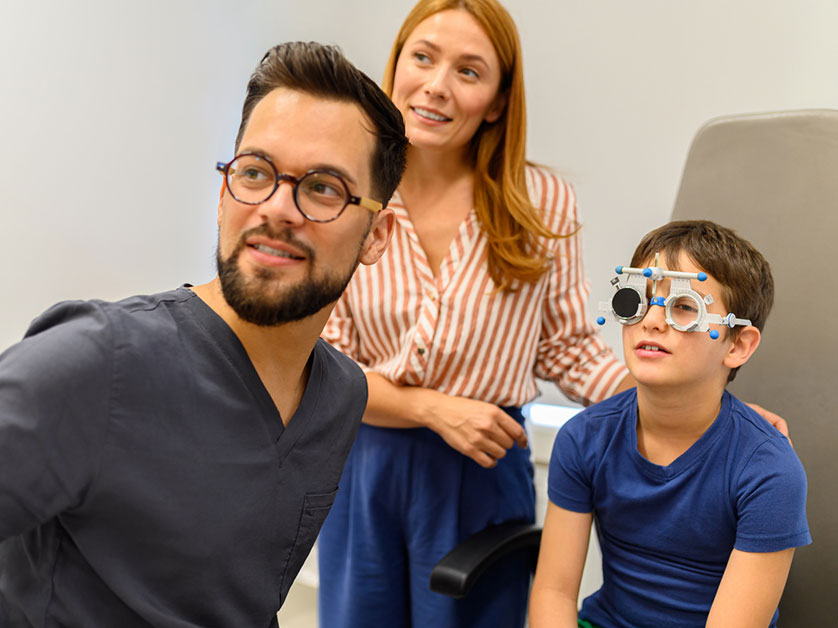
While you cannot change your genetic makeup, you can control how you respond to hereditary risks. Early detection is the most effective way to manage potential issues, especially for those with a family history of vision problems. Comprehensive eye exams, starting from childhood, help identify changes before symptoms become apparent. If a diagnosis is made, corrective measures such as eyeglasses or advanced therapeutic options can vastly improve your quality of life. Additionally, customized care plans tailored by an optometrist help you address both hereditary and environmental risk factors.
Schedule Your Family Eye Exam in Rockville, MD
If you are concerned about hereditary vision problems or want to proactively safeguard your family’s eye health, Eyes On Norbeck is here for you. Our team offers comprehensive eye care, including computer vision exams, pediatric assessments, and a wide selection of eyeglasses tailored for the Rockville, MD community. Book an appointment today to take control of your vision health, especially if your family history puts you at increased risk. Give us a call at (301) 238-7199 or fill out our contact form to get started.