


Digital devices have become an essential part of daily life, making questions about blue light exposure and eye health more important than ever. If you spend hours in front of screens or are searching for new eyeglasses, you have likely come across blue light glasses marketed as a solution for protecting your eyes. But what do experts and scientific research in optometry actually say about their effectiveness?
Understanding Blue Light and Its Sources
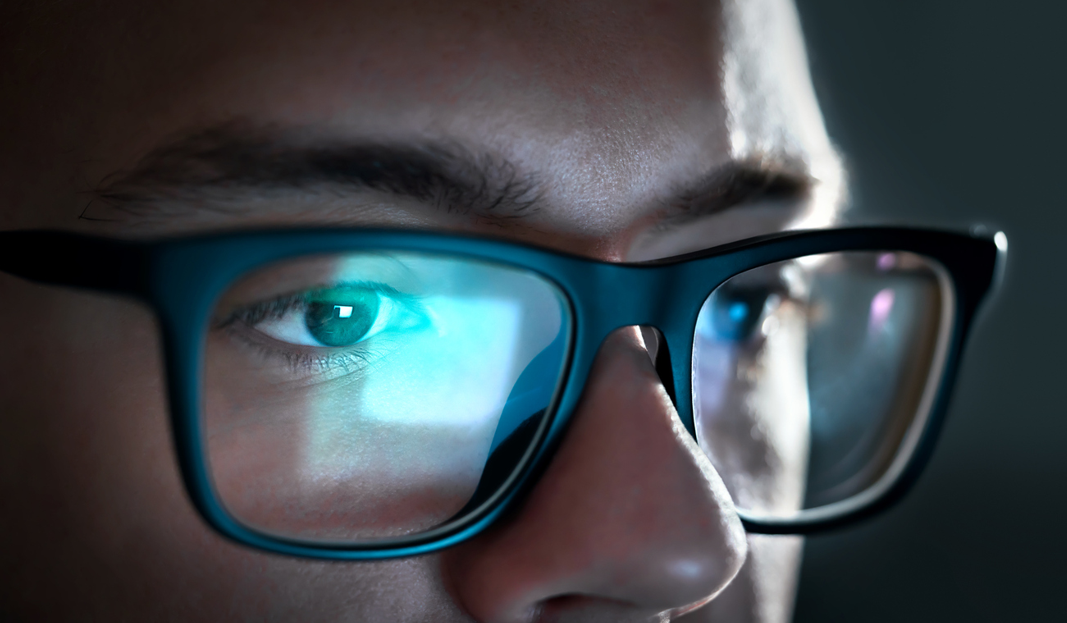
Blue light is a high-energy, short-wavelength portion of the visible light spectrum. While the sun is the primary source, artificial blue light from LED screens, computers, smartphones, and indoor lighting has become a growing concern. As screen time increases for both work and leisure, many patients ask their optometrist about the long-term effects of blue light and whether blue light glasses are a worthwhile investment.
What Does the Research Really Say About Blue Light?
Current research shows that blue light from digital devices, while bright and sometimes uncomfortable, is not linked to permanent eye damage or serious eye disease. Organizations such as the American Academy of Ophthalmology explain that discomfort after extended screen use is usually caused by digital eye strain, also known as Computer Vision Syndrome, rather than direct harm from blue light.
Common causes of digital eye strain include:
- Reduced blinking while using screens
- Dry indoor air that contributes to irritation
- Prolonged near work without breaks
- Poor screen positioning and lighting
Studies have also found that blue light glasses do not significantly reduce these symptoms compared to standard lenses. Because of this, many optometry professionals recommend practical adjustments instead of relying solely on specialized eyewear.
Do Blue Light Glasses Help With Sleep?
Blue light exposure in the evening can affect the body’s natural sleep cycle by influencing melatonin production. While blue light glasses are often marketed as a solution, the most effective strategies for improving sleep are simple lifestyle changes:
- Limit screen use two to three hours before bedtime
- Use night mode or dark mode on devices
- Reduce bright lighting in the evening
If you experience ongoing sleep issues or light sensitivity, a comprehensive eye exam can help identify underlying concerns and guide appropriate treatment.
The Real Solutions for Eye Comfort in the Digital Age
If you experience eye fatigue, dryness, or headaches, there are several proven strategies that can help improve comfort:
- Follow the 20-20-20 rule, every 20 minutes, look at something 20 feet away for 20 seconds
- Keep screens about 25 inches from your face and slightly below eye level
- Use lubricating eye drops to relieve dryness
- Adjust lighting to reduce glare on screens
- Alternate between contact lenses and eyeglasses during long periods of screen use
These small adjustments often provide more noticeable relief than blue light glasses alone.
Who Might Benefit from Specialized Lenses?
Some individuals, particularly those with migraines or heightened sensitivity to light, may benefit from customized lenses that filter multiple types of light. These lenses are different from standard blue light glasses and should only be recommended after a thorough evaluation by an eye care professional.
Get Expert Guidance for Your Eye Health
If you are considering blue light glasses, a professional evaluation is the best way to determine what is right for you. Visit Eyes On Norbeck in Rockville, MD for personalized recommendations based on your vision needs and daily habits. Our experienced team can help you choose the most effective eyeglasses and provide guidance to keep your eyes comfortable and healthy year-round. Call us at (301) 238-7199 or fill out our online form to get started.