

Clear vision plays a critical role in every child’s learning experience. Since nearly 80% of classroom learning is visual, even minor vision problems can disrupt academic growth, social development, and self-confidence. Many families seek quality eye care, but not everyone realizes how undiagnosed vision issues can create obstacles that annual school screenings may miss. Understanding these impacts is essential for parents and educators who want to give children every opportunity to succeed.
Common Vision Issues Impacting Children’s Learning
When a child has difficulty seeing either near or far, or if their eyes cannot coordinate effectively, several challenges can arise. Some of the most common eye conditions in children include:
- Nearsightedness (myopia), where seeing the board becomes difficult
- Farsightedness (hyperopia), making reading books up close more challenging
- Astigmatism, which causes blurry vision at all distances
- Strabismus (misaligned eyes) and amblyopia (lazy eye), which can affect depth perception and eye coordination
Children today spend more time using tablets, laptops, and smart boards in the classroom. Undiagnosed vision issues often become more noticeable with increased screen use. A hyperlinked keyword like computer vision exam can help identify digital eye strain and related symptoms.
How Poor Vision Shows Up in Academic and Social Life
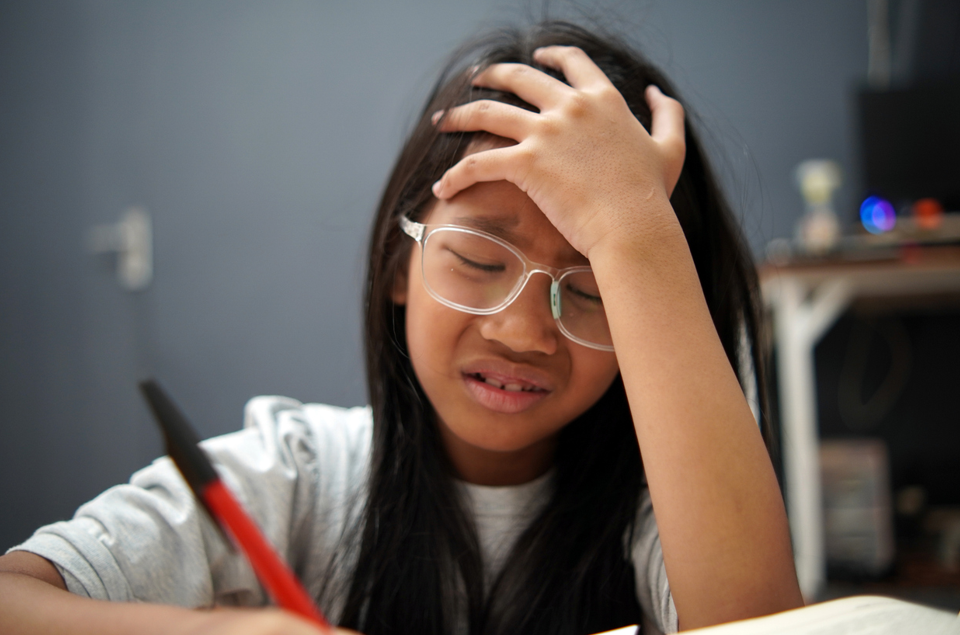
If your child struggles with reading or has trouble focusing in class, vision problems may be contributing to the issue. These challenges may appear as:
- Short attention spans during visually demanding tasks
- Frequent complaints of eye strain or headaches, especially after reading or screen time
- Difficulty copying information from the board or confusing similar letters and numbers
Poor vision does not just affect reading and test performance. It can also lower self-esteem, as children may become frustrated when they cannot keep up with classmates. During group activities or physical education, poor hand-eye coordination may lead children to avoid sports or playground games, which can impact social interactions as well.
Recognizing the Signs of Vision Problems in Children
Parents and teachers should remain alert for the following signs:
- Squinting, frequent eye rubbing, or tilting the head to see better
- Sitting unusually close to screens or holding books very close
- Losing their place while reading or using a finger to follow text
- Avoiding activities that require clear near or distance vision
Early intervention can make a significant difference in a child’s development and academic success. Comprehensive eye exams from a qualified optometrist are important because basic school screenings and pediatric exams often fail to detect more serious vision concerns.
The Academic and Behavioral Ripple Effect
Unaddressed vision problems can quickly lead to larger issues. Children may begin avoiding assignments, participating less in class, or acting out due to frustration. Teachers and parents may mistake inattentiveness for behavioral or learning difficulties when the real issue is an untreated vision condition.
A child who receives the proper eyeglasses prescription often experiences noticeable improvements in both academic performance and confidence. This becomes even more important as digital learning and screen time continue to increase, placing additional strain on developing eyes.
Empowering Your Child’s Success
If you notice any of the signs mentioned above, or if your child’s grades do not reflect their effort, it may be time to schedule a comprehensive eye exam that includes digital vision assessment. Protect your child’s educational future and overall well-being with personalized care from Eyes On Norbeck. Our team provides expert eye exams, child-friendly eyewear, and digital strain evaluations tailored to your family’s needs in Rockville, MD. Give your child the advantage of healthy vision in every season. Give us a call at (301) 238-7199 or fill out our contact form to get started.